The pitch that electric cars are maintenance-free has sold a lot of vehicles — and surprised a lot of owners two years in. It is true that an EV deletes the oil changes, spark plugs, belts, and exhaust work of a combustion car. What remains is a shorter list, but it is not an empty one.
What still wears
Tires wear faster on most EVs, not slower. Instant torque and several hundred extra kilograms of battery are hard on rubber, and uneven wear from missed rotations shows up sooner. Rotating every 10,000 km is not optional advice on an electric car; it is the schedule.
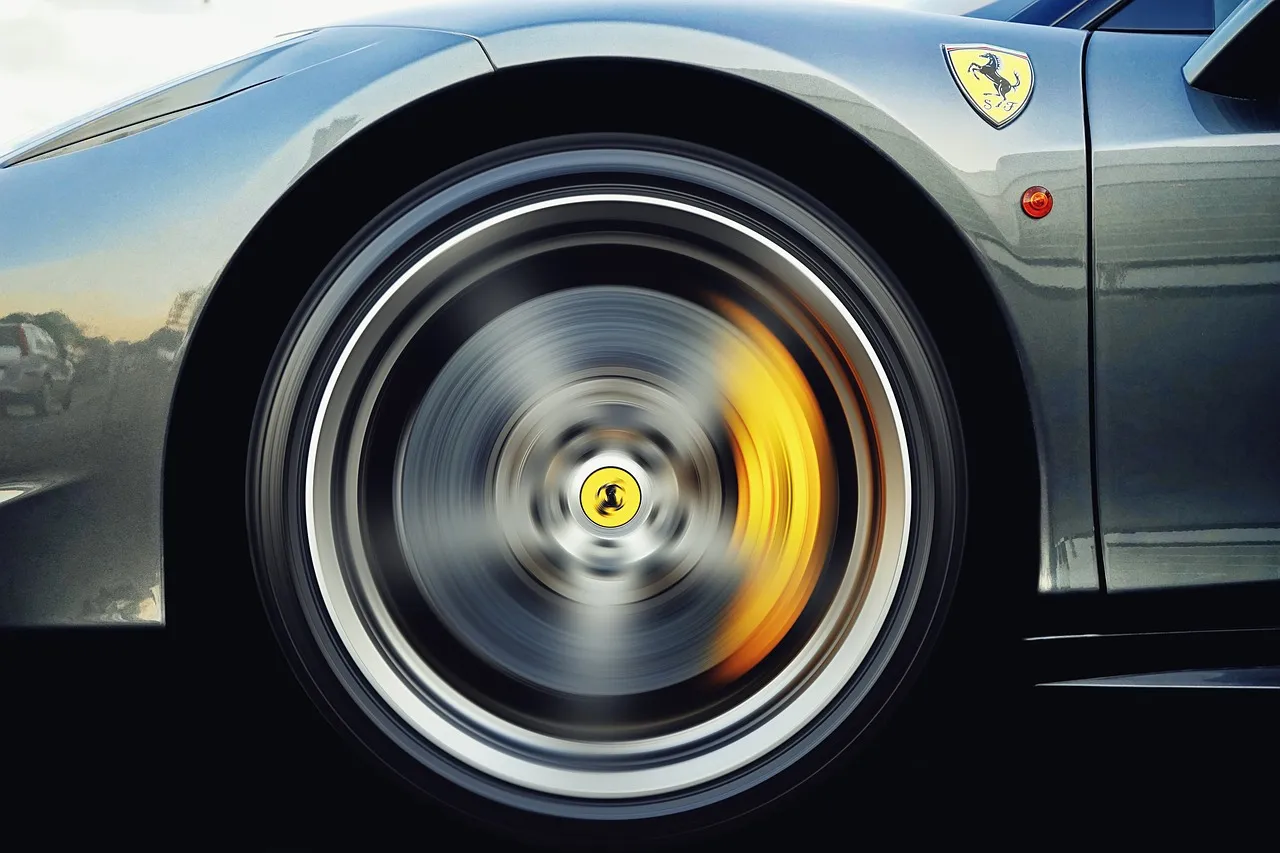
Brake fluid still ages, even though regenerative braking means the pads themselves can last well past 100,000 km. In fact, pads on EVs sometimes fail from corrosion rather than wear — they are used so rarely that they seize instead of wearing out. An annual brake service that cleans and lubricates the sliders prevents exactly this.
The systems people forget
Battery coolant loops, cabin filters, and suspension components all follow the same schedules as any other car. The battery pack itself needs nothing from you except sensible charging habits, but the hardware that cools it deserves an inspection at every service interval.
The bottom line
An EV cuts your maintenance bill roughly in half. It does not cut it to zero — and skipping the small remaining list is the fastest way to give the savings back.